sales@hasco-inc.com
 888-498-3242


RF Blade Antennas
RF Blade Antennas for UAV & UAS Platforms
Compact, lightweight blade antennas for commercial and defense UAV/UAS manufacturers. Compare L-band, S-band and dual S/C-band models for telemetry, command-and-control and compatible RF communication links.
Final antenna selection should consider frequency, ground plane, mounting, installed radiation pattern, environmental requirements and aircraft configuration.

Focused on UAV and UAS manufacturers.
The market includes specialized unmanned-aircraft manufacturers developing platforms for commercial missions and defense applications—not only traditional large aerospace and defense primes.
Commercial UAV/UAS manufacturers
Platforms for inspection, mapping, public safety, logistics, agriculture, research and other commercial missions requiring compatible RF links.
Defense UAV/UAS manufacturers
Unmanned-aircraft platforms for ISR, tactical operations and other defense missions. Program-specific environmental and qualification requirements must be confirmed.
Put RF performance into a low-SWaP package.
Blade antennas provide a streamlined external antenna option where mass, drag, mounting area and dependable coverage matter to the aircraft-level design.
Limit payload and drag impact
Published model weights range from 0.43 to 1.25 ounces, with compact two-hole and four-hole mounting configurations.
Support aircraft RF links
Published omnidirectional azimuth patterns support telemetry and compatible communications, subject to the installed ground plane and airframe.
Select around the platform
SMA female interfaces, multiple frequency ranges and mounting choices give UAV designers practical starting points for installation review.
One antenna family. Multiple unmanned-aircraft roles.
Suitability depends on the radio, link budget and installed configuration. These are application areas for engineering evaluation—not statements of platform approval.
Telemetry & command links
Evaluate L-band, S-band or dual-band models for compatible command, control and vehicle-data links.
ISR payload connectivity
Support compatible RF links used to move sensor or mission data between the aircraft and ground system.
BVLOS & long-endurance platforms
Review antenna placement, ground plane, airframe shadowing and installed pattern when link continuity is critical.
VTOL & SWaP-sensitive UAS
Compare low-mass blade configurations where payload, mounting space and aerodynamic profile are tightly constrained.
Published specifications at a glance.
Use this table to identify a starting point, then review the applicable datasheet and the installed UAV configuration.
| Model | Frequency | Mount | Published weight |
|---|---|---|---|
| HAD-1325-O1M1-02 | 1.35–2.5 GHz | 2-hole | 0.685 oz |
| HAD-1625-O1M1-02 | 1.625–2.5 GHz | 2-hole | 0.67 oz |
| HAD-1325-O1M1B-01 | 1.35–2.5 GHz | 4-hole | 1.25 oz |
| HAD-1625-O1M1B-01 | 1.625–2.5 GHz | 4-hole | 1.23 oz |
| HAD-2358-H1B-01 | 2.50–3.80 GHz | 2-hole | 0.67 oz |
| HAD-2250-H1B-01 | 2.20–2.50 / 4.40–4.49 GHz | 2-hole | 0.43 oz |
| HAD-2250-H1B-02 | 2.20–2.50 / 4.40–4.49 GHz | 4-hole | 1.20 oz |
Specifications are based on the current HASCO product listings. Confirm current drawings, test data, availability and all program-specific requirements before design release.
Download the Performance Brief
See what changes when the cable route changes.
Explore measured blade antenna results across three cable configurations and seven frequencies, with practical guidance for evaluating your UAV/UAS antenna installation.
HAD-1325-O1M1B-01 · 1.35-2.50 GHz · Measured gain comparison · Installation guidance
PDF brief with measured data and engineering takeaways.
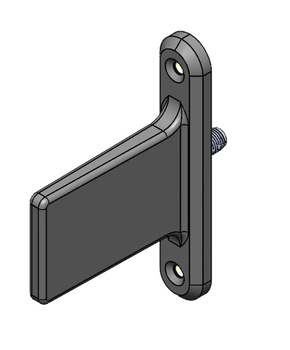
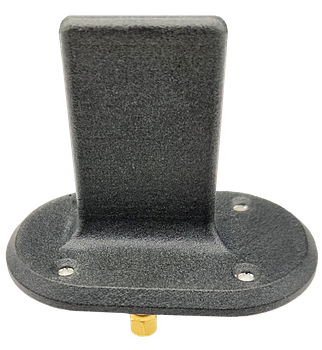
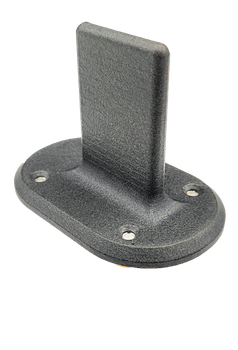
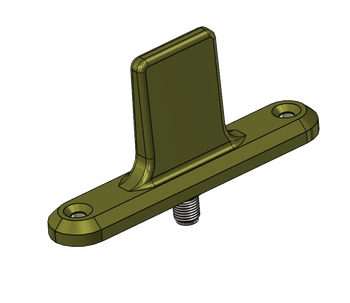
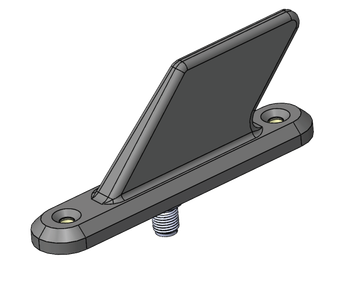
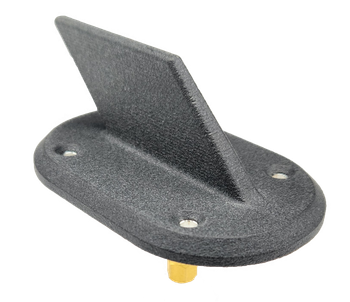
Choose by band and mounting arrangement.
Each model links to the current HASCO product page and datasheet. Include the model number and UAV installation requirements with your RFQ.

Select the antenna as part of the UAV—not in isolation.
HASCO can help compare the published models and identify what must be confirmed before committing to an aircraft installation.
Discuss Your ApplicationInclude these requirements with your inquiry:
- Operating frequencies, bandwidth and RF power
- UAV type, airframe material and mission profile
- Available ground plane and antenna location
- Mounting footprint, height and weight limits
- Required radiation pattern and link-performance targets
- Environmental and qualification requirements
- Quantity, prototype timing and production schedule
Find the right blade antenna for your unmanned aircraft.
Start with a frequency band, a published model or the integration problem you are working to solve. HASCO will confirm current specifications, availability and next steps.